
Gearbox Maintenance: A Comprehensive Guide to Oil Replacement for Extended Equipment Lifespan
author: Yibuzz_XiaoYiChong
2025-06-20
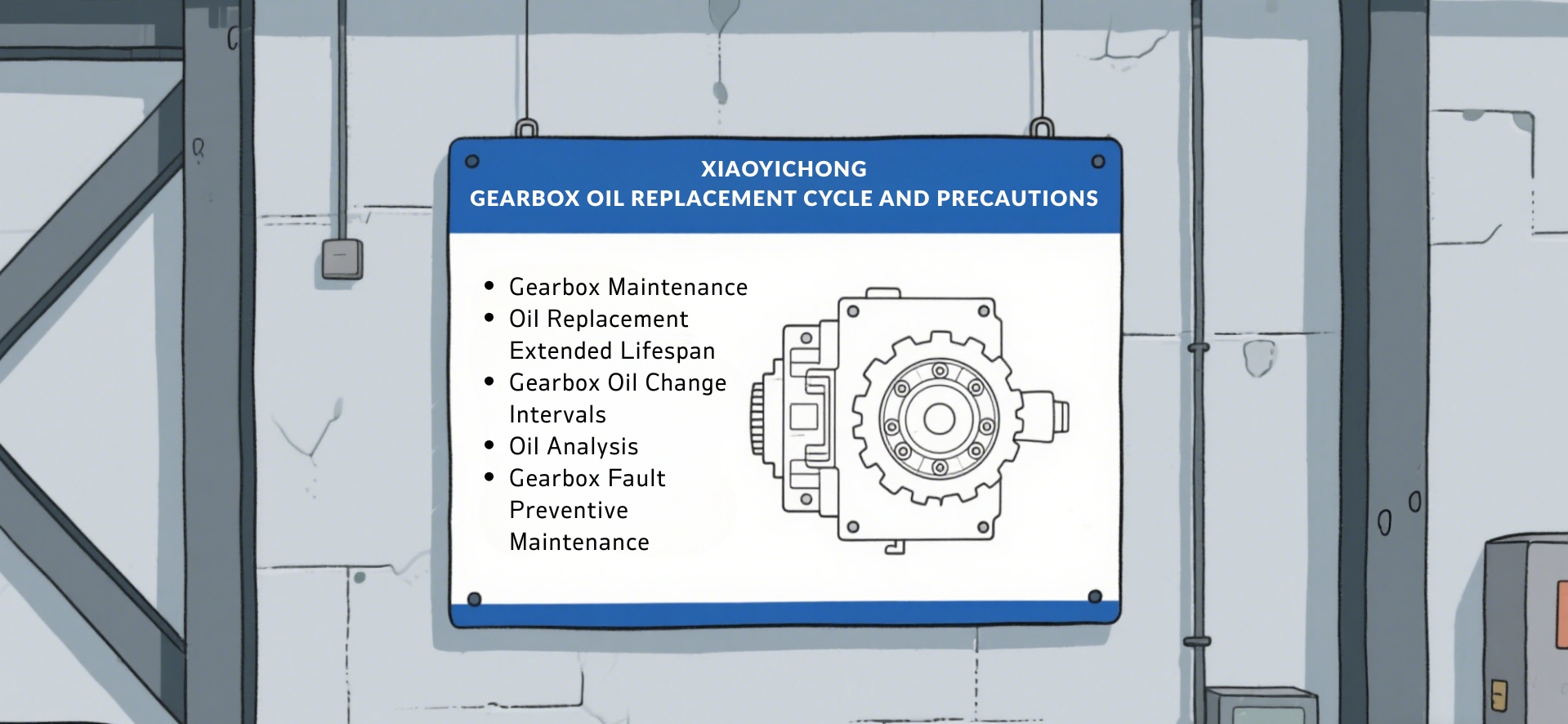
Gearboxes stand as pivotal transmission components across a multitude of industrial applications, including general industrial machinery, wind turbine generator sets, and heavy construction equipment. Their stable operation is intrinsically linked to overall production efficiency and the longevity of the machinery itself. Lubrication oil, often referred to as the "blood" of the gearbox, fulfills critical roles such as lubrication, cooling, and corrosion prevention. However, many users lack a comprehensive understanding of optimal oil replacement timings and operational procedures, frequently leading to equipment failures stemming from inadequate lubrication. This article aims to elucidate the essential steps systematically, recommended periodicity, and crucial considerations for gearbox oil replacement, thereby empowering you to implement scientific equipment maintenance practices.
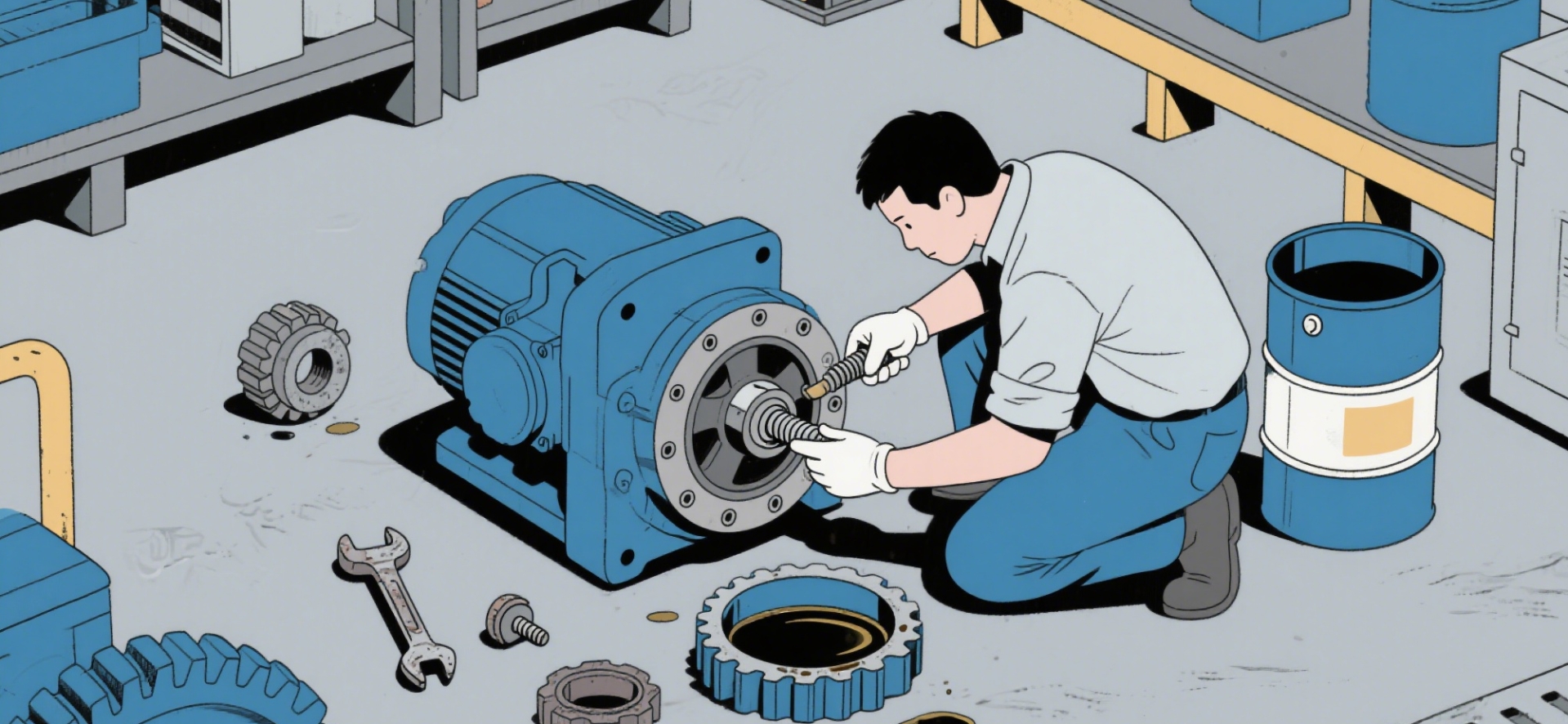
A pivotal aspect of gearbox maintenance is the determination of the oil change interval, which necessitates a scientifically informed approach rather than a one-size-fits-all solution. This interval must be dynamically adjusted based on the specific operating conditions of the equipment, the type of lubricant employed, and prevailing environmental factors. Regarding conventional recommended periods, mineral oils, for instance, typically necessitate replacement every six to twelve months under standard operating conditions. However, in environments subject to heavy loads or elevated temperatures, this interval should be reduced significantly, often to three to six months. Conversely, synthetic oils, recognized for their superior oxidation resistance, can extend the replacement period to one to two years, though regular oil analysis remains imperative. For specialized applications such as wind turbine gearboxes, adherence to manufacturer specifications is paramount; while often recommending intervals of three to five years, semi-annual oil sampling and analysis are generally required.
Beyond fixed schedules, oil analysis provides a data-driven method for determining replacement needs. Laboratory testing indicators offer precise insights: immediate oil replacement is warranted if the viscosity deviates by more than ±15%, water content exceeds 0.1%, acid value surpasses acceptable limits, or a sudden increase in metallic wear particles is detected. For quick on-site assessments, visual and olfactory cues can be informative: a significant darkening or emulsification of the oil indicates degradation, a burnt smell often signals severe oxidation, and an uneven spread or presence of numerous impurities in a spot test on filter paper suggests contamination. Furthermore, environmental conditions necessitate tailored adjustment strategies. In high-temperature and high-humidity environments, where the risk of water ingress is elevated, it is advisable to shorten the oil change period by approximately 20%. in areas prone to high dust contamination, reinforcing the filtration system's maintenance and potentially installing breathers on the gearbox can mitigate issues. For equipment that undergoes frequent starting and stopping, leading to increased wear during cold starts, it is prudent to replace the oil approximately 30% earlier than the standard schedule.
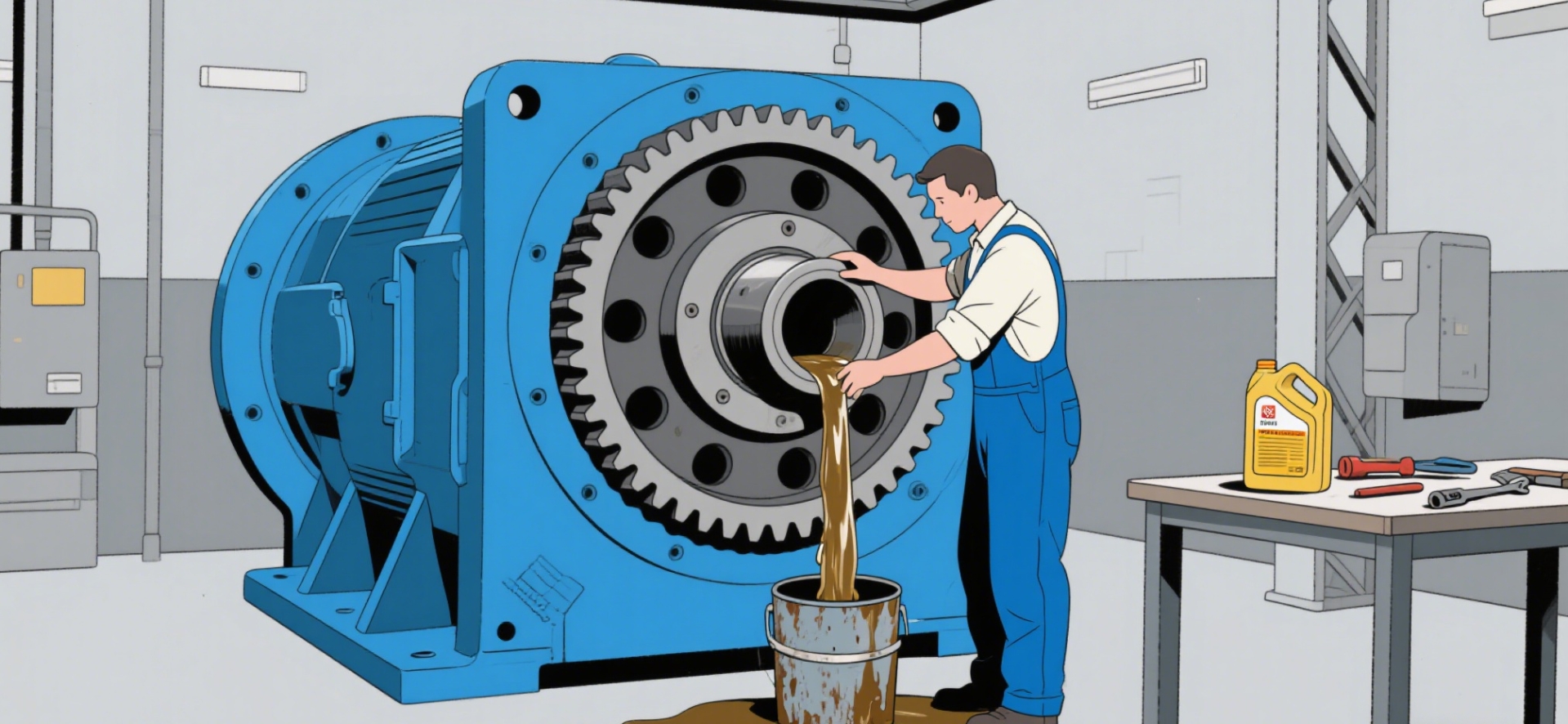
In addition to timing, several critical precautions must be observed to mitigate risks and ensure effective gearbox maintenance. First, the practice of mixing different brands or types of lubrication oils is highly discouraged, as disparate additive packages can react chemically, leading to precipitation, reduced performance, or complete oil failure. Should a change in oil brand or type be necessary, a thorough flushing of the entire oil system is imperative. Second, the proper disposal of used oil is non-negotiable; waste oil is classified as hazardous waste and must be handled by certified professional waste management agencies. Illegal disposal not only poses severe environmental threats but also carries substantial legal penalties. Third, consistent monitoring of the oil level is crucial. Weekly checks should be performed, and any abnormal consumption, such as a sudden drop in oil level, demands immediate investigation to identify and rectify potential seal damage. Fourth, failing to replace the oil filter during an oil change renders the entire process largely ineffective. A clogged filter will impede proper oil flow, and new oil will quickly become contaminated by residual impurities in the old filter, undermining the purpose of the fresh lubricant. Considering that the cost of a new filter is typically less than one percent of potential repair expenses, this is an omission that should be avoided. Fifth, maintaining a detailed maintenance archive is invaluable. Thorough records of each oil change, including the date, oil type and quantity, and any relevant oil analysis data, provide an indispensable foundation for proactive and preventive maintenance strategies. Finally, during winter or in cold environments, it is essential to preheat the gearbox oil before draining. Low temperatures cause the oil to become highly viscous; heating the oil to above 20 degrees celsius, often using heating bands, ensures a more complete and efficient drainage of the old lubricant.
In conclusion, the seemingly minor act of a standardized oil replacement process yields significant benefits. Beyond minimizing gear wear and reducing abnormal operational noise, it can notably enhance the overall energy efficiency of equipment by more than 15 percent. It is a fundamental principle that the cost of preventive maintenance consistently remains lower than the expense incurred from unforeseen breakdowns. Should you have further inquiries regarding oil selection, testing methodologies, or any aspect of gearbox lubrication, our professional engineering team is readily available to provide expert guidance and support.
Contact Us |
||
|---|---|---|
Name |
|
Telephone |
Rose |
103@xiaoyichong.com |
+86 13829209473 |
Anna |
104@xiaoyichong.com |
+86 15907692579 |
Mary |
105@xiaoyichong.com |
+86 13926867661 |
Nancy |
106@xiaoyichong.com |
+86 15899928921 |
Nina |
107@xiaoyichong.com |
+86 13926825911 |
Hellen |
104@xinyangling.com |
+86 15907696489 |
Cindy |
106@xinyangling.com |
+86 13926826479 |
Some information comes from the internet; if there is an infringement, please contact us.
How Much Bearing Grease Do You Need for Optimal Performanc? - A Guide by XiaoYiChong
Powering the Robot Revolution: How High-Performance Lubricants Like XiaoYiChong Power the Future of Robotics
Related Article

Discover why standard grease fails in modern EVs and robotics. Learn how XiaoYiChong's high-temperature PFPE lubricants stop costly machine breakdowns.
XiaoYiChong High-Temperature PFPE Lubricating Grease for Robotics and EV Motors
Explore how XiaoYiChong's PFPE grease, PFPE oil, and dry film lubricants help manufacturers improve performance while managing costs in 2026.
2026 Special Lubrication Shift: How XiaoYiChong's Three Core Product Lines Help Manufacturers Reduce Costs

